You can download job postings data from dataset marketplaces like CrawlFeeds, community platforms like Kaggle, government sources like USAJOBS and the US Bureau of Labor Statistics (BLS), and job board APIs like Adzuna.
For clean, source-labeled job listings in CSV or JSON, CrawlFeeds offers 12+ jobs datasets with over 2 million records from 8 job boards, including Naukri, SEEK, CareerBuilder, Dice, Monster India, Job.com, and Upwork. Every dataset comes with a free sample.
This guide covers where to get job data, what fields to expect, which sources are free, and how to pick the right dataset.
What Is a Job Postings Dataset?
A job postings dataset is a structured collection of job listings collected from job boards, career sites, or freelance platforms. Each row is one job ad.
Teams use it to study hiring demand, salaries, skills, and labor market shifts at scale. A single dataset can hold anywhere from a few hundred to over 500,000 listings.
Where Can I Download Job Postings Data?
|
Source |
Type |
Best for |
Cost |
|
CrawlFeeds |
Dataset marketplace |
Ready-to-use job listings from US, India, Australia, and freelance boards |
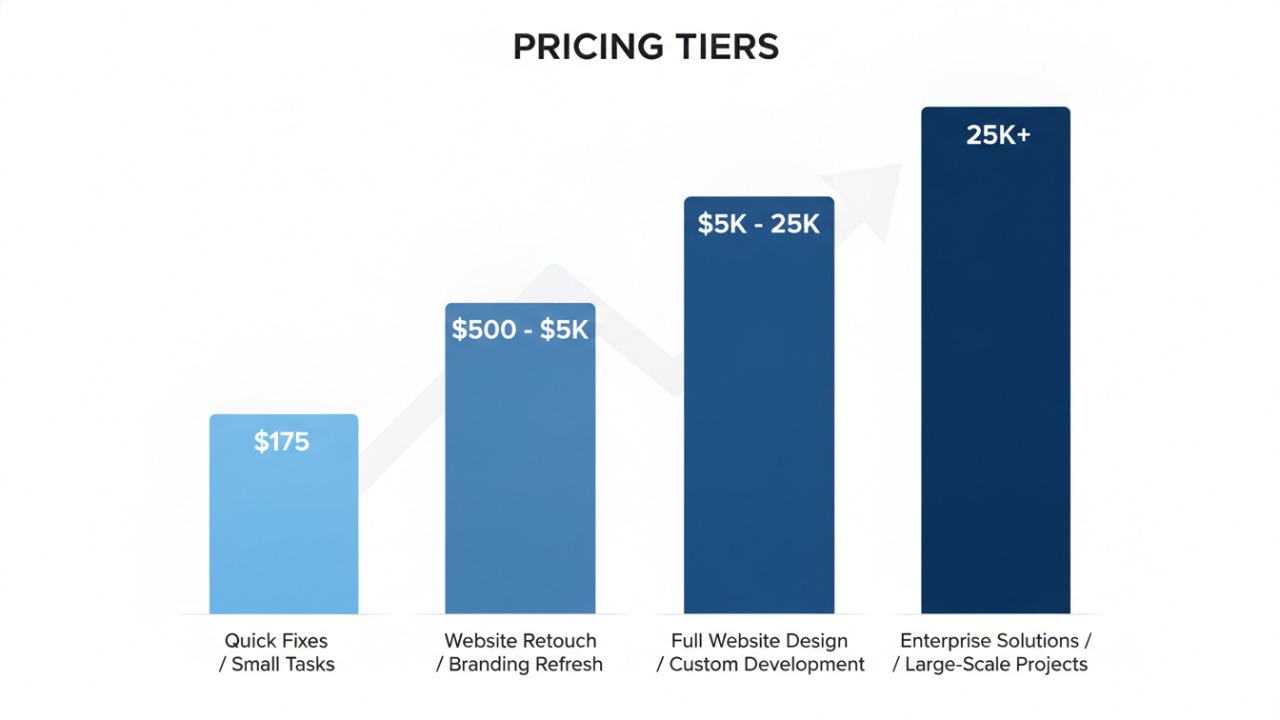
Free samples, paid full datasets, custom scrapes from $175 |
|
Kaggle |
Community uploads |
Learning and practice projects |
Free |
|
USAJOBS API |
Government |
US federal job listings |
Free |
|
BLS JOLTS |
Government statistics |
Aggregate job openings counts, not individual postings |
Free |
|
Adzuna API |
Job board API |
Live listings for apps and prototypes |
Free developer access with limits |
|
Custom web scraping |
Service |
Specific boards, fields, or refresh schedules |
Varies |
Rule of thumb:
- Use government data for macro trends.
- Use Kaggle to practice.
- Use a dataset provider when you need clean, large, source-specific data for production work, research, or client reports.
Jobs Datasets Available on CrawlFeeds
CrawlFeeds lists 12 jobs datasets with 2 million+ records across four markets.
US job postings datasets
- CareerBuilder US Jobs (August 2021): 539,000 records, JSON and CSV
- CareerBuilder US Job Listings 2021: 422,000 records, JSON
- Job.com USA Jobs: 340,000 records, CSV
- Dice US Jobs (tech roles): 92,000 records, JSON
India job postings datasets
- Naukri India Jobs: 174,982 records
- Monster India Jobs (Oct 2021): 120,000 records
- Naukri Job Listings: 99,338 records
- Monster India Jobs: 21,263 records
- Yoga Jobs from Naukri: 18,000 records
- Monster India Latest Jobs: 1,400 records, free
Australia job postings dataset
- SEEK Australian Jobs: 244,221 records, JSON
Freelance jobs dataset
- Upwork Freelance Jobs: 300 records, CSV
What Fields Are in a Job Postings Dataset?
Most job datasets include:
- job_title
- company_name
- job_description
- job_location
- posted_date
- salary_range
- employment_type (full-time, contract, freelance)
- required_skills
- industry
- job_url
Schemas vary by source. Dice data leans toward tech skills. Upwork data reflects freelance project listings. Check each dataset page for the exact fields before you buy.
CrawlFeeds vs Kaggle: Which Is Better for Job Data?
Kaggle is a great place to learn. But its job datasets come from individual uploaders, so quality, licensing, and documentation change from one dataset to the next.
Real examples from Kaggle:
- A popular job description dataset with 1.6 million rows is synthetic. Its author says it isn't suitable for real-world use.
- One LinkedIn job dataset reports 2,084 duplicate rows in its own description.
- Many top options focus on one source (LinkedIn) and one market (the US).
|
Factor |
CrawlFeeds |
Kaggle |
|
Data origin |
Real job boards, labeled per dataset |
Varies by uploader, some synthetic |
|
Coverage |
US, India, Australia, freelance |
Popular sets lean toward LinkedIn and the US |
|
Formats |
CSV and JSON |
Varies |
|
Schema |
Standard fields across the category |
Varies per uploader |
|
Custom data |
Custom scrapes from $175 |
Not available |
|
Support |
Direct email support |
Community forums |
|
Price |
Free samples, paid full datasets |
Free |
Verdict: Choose Kaggle for practice. Choose CrawlFeeds when data quality, source transparency, and regional coverage matter.
What Can You Do With Job Postings Data?
- Hiring trend analysis: Track which roles grow or shrink over time.
- Salary benchmarking: Compare pay ranges by title, city, or industry.
- Skill gap research: Extract in-demand skills from descriptions with NLP.
- Job recommendation engines: Train matching models on titles, skills, and descriptions.
- Competitor hiring intelligence: See which teams rivals are building, and where.
- HR tech products: Build job search, resume matching, or career tools.
- Economic research: Study regional labor markets.
Example: A recruitment startup in India could combine Naukri and Monster India data (over 430,000 records) to map demand for data engineers by city.
Example: An ML team could use 92,000 Dice listings to train a tech-skills extraction model.
How to Choose the Right Job Postings Dataset
Run through this checklist:
- Region: Does it cover your target market?
- Recency: Check the collection date. Historical data suits trend studies. Live products need fresh scrapes.
- Fields: Confirm salary, skills, and description fields exist.
- Volume: ML training needs far more rows than a dashboard.
- Format: CSV for spreadsheets and BI tools. JSON for data pipelines.
- Sample first: Test a free sample before you commit.
- Terms: Know how you're allowed to use the data.
Can I Get Job Data From a Specific Job Board?
Yes. If the board, region, or time period you need isn't in a pre-built dataset, CrawlFeeds' custom scraping service extracts it to your schema, starting from $175. You pick the source, fields, and refresh frequency. Always review each site's terms and local laws before collecting data.
Final Take
Free sources are good for learning. Serious projects need clean, documented, source-specific data. Start with a free sample, test the fields, then scale up.
Frequently Asked Questions
Looking for a dataset?
Browse hundreds of pre-built datasets from CrawlFeeds — ecommerce, reviews, fashion, news, and more. Free samples on every dataset.
Browse datasets Custom data request