Luxury fashion data sets turn product information into structured records that can be analyzed across brands, prices, categories, availability, and product attributes. They help businesses compare product assortments, study pricing, research competitors, identify product patterns, and support fashion market research.
What Is a Luxury Fashion Dataset?
A luxury fashion dataset is a structured collection of product information from luxury fashion brands, retailers, or marketplaces. Instead of manually reviewing thousands of product pages, analysts can work with fields such as product names, brands, prices, categories, SKUs, colors, availability, and descriptions.
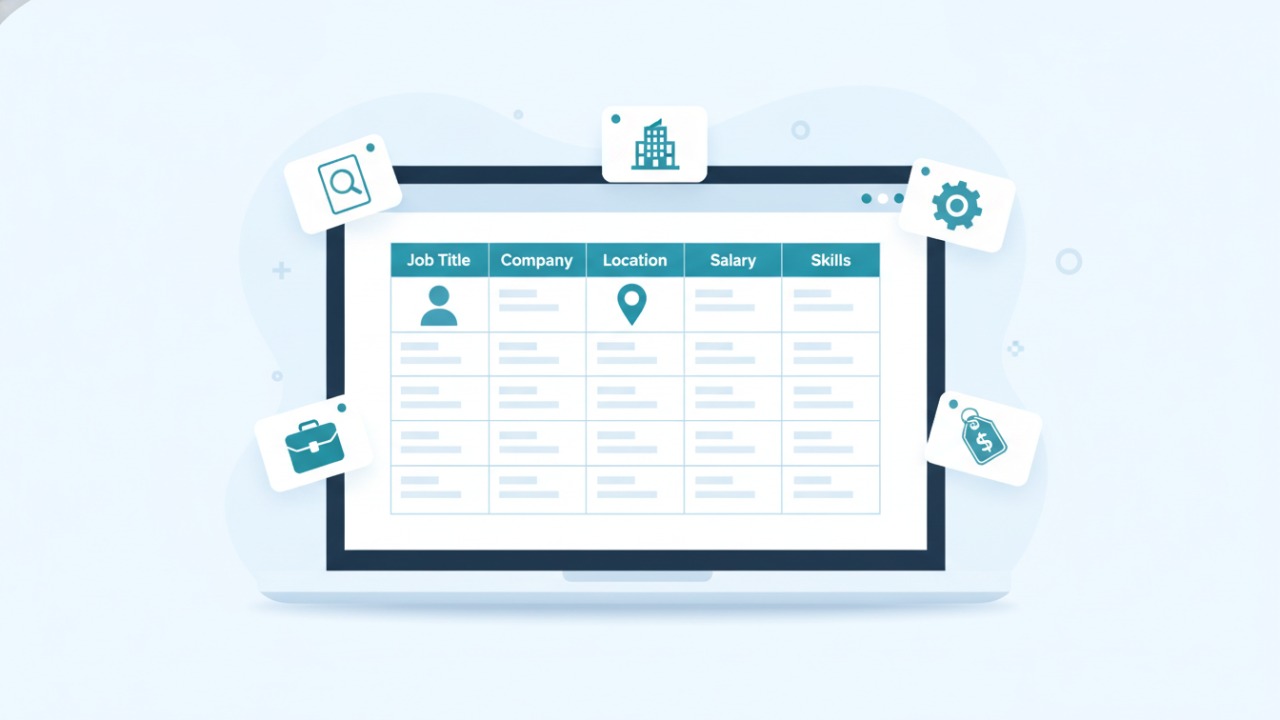
The exact fields depend on the source. A typical fashion dataset may include:
|
Data type |
Examples |
|
Product |
Product name, SKU, URL |
|
Brand |
Brand name |
|
Pricing |
Price, currency, sale price |
|
Category |
Clothing, shoes, bags, accessories |
|
Attributes |
Color, material, condition, gender |
|
Availability |
Stock or availability status |
|
Content |
Description, images |
|
Tracking |
Collection timestamp |
This structured format makes it easier to compare products consistently and analyze large catalogs.
It is also useful to distinguish luxury fashion data from broader fashion data. A general fashion dataset may cover mass-market retailers, sportswear, and apparel marketplaces. A luxury-focused dataset may instead concentrate on designer brands, premium products, and high-end fashion platforms.
What Data Can You Analyze in Luxury Fashion?
The value of a fashion dataset comes from the range of product attributes available for analysis.
Brand Data
Brand-level analysis can show:
- Number of products listed
- Product categories offered
- Average product price
- Product assortment
- Availability across categories
This allows researchers to compare how brands are represented within a particular retailer or marketplace.
Pricing Data
Fashion pricing data can be used to analyze:
- Average price
- Median price
- Minimum and maximum prices
- Price ranges
- Price differences between brands
- Pricing by category
- Sale and discount information, where available
Median price can be particularly useful when a catalog contains products with very different price points.
Product and Category Data
You can segment products by:
- Clothing
- Shoes
- Bags
- Accessories
- Men's and women's products
- Colors
- Materials
- Product types
The available attributes depend on the dataset.
Availability Data
Availability fields can show whether products are listed as available or unavailable. When data is collected repeatedly, these fields can also support product availability monitoring.
Availability data should not automatically be treated as exact inventory quantities. A product marked as available does not tell you how many units are actually in stock.
How to Analyze Luxury Fashion Brands
A simple brand analysis starts with product-level data.
Step 1: Collect structured fashion product data.
Step 2: Group the records by brand.
Step 3: Compare product counts.
Step 4: Calculate average and median prices.
Step 5: Segment products by category.
Step 6: Compare availability and other attributes.
Step 7: Repeat the analysis across multiple data collections if you want to study changes over time.
For example, you could create a hypothetical comparison showing Brand A with 1,200 products, Brand B with 850, and Brand C with 430. These numbers are illustrative. The same approach can be applied to actual dataset records.
The important point is that structured product data lets analysts make comparisons using consistent fields rather than manually checking individual product pages.
How to Analyze Luxury Fashion Prices
Luxury fashion datasets are particularly useful for fashion pricing analysis because prices can be compared across thousands of products.
Some useful metrics include:
Average product price: Gives a broad view of pricing within a brand or category.
Median price: Helps reduce the effect of unusually expensive products.
Price range: Shows the difference between lower- and higher-priced products.
Price by category: Lets you compare categories such as shoes, bags, dresses, and coats.
Price by brand: Shows differences in product pricing across brands.
Price by gender: Allows comparisons between men's and women's assortments when the dataset contains gender information.
For international datasets, currency is also important. Prices from different currencies should be converted consistently before making direct comparisons.
How to Compare Luxury Fashion Brands Using Product Data
Luxury fashion competitor analysis does not have to focus only on price.
A structured dataset can help compare brands based on:
- Product count
- Average and median price
- Category coverage
- Product types
- Colors
- Materials
- Availability
- Product condition
- Gender segmentation
For example, one brand may have a larger assortment of accessories while another has a stronger presence in footwear. Product-level data makes these differences easier to identify.
The conclusions should always be based on the specific dataset and collection period. A retailer's catalog is not necessarily a complete representation of a brand's global product range.
How Luxury Fashion Data Helps Identify Product Trends
Fashion data can reveal patterns in the products that were listed at the time of collection.
Researchers can examine:
- Changes in product categories
- Color patterns
- Product assortment
- New products appearing in a catalog
- Price changes
- Availability changes
- Seasonal assortment patterns
There is an important distinction between trend detection and trend prediction.
A single dataset snapshot can describe what was available at a particular point in time. To identify changes over time, you need multiple data collections. Predicting future trends requires additional historical data and an appropriate analytical or statistical method.
How Fashion Brands Use Luxury Fashion Datasets
Once fashion product information is structured, the same dataset can answer several practical business questions.
Competitive price analysis
Compare product prices, discounts, and categories across competing brands or retailers.
Product benchmarking
Measure catalog size, category coverage, and product attributes against competitors.
Catalog enrichment
Use structured product attributes to improve internal product catalogs.
Product matching
Compare product names, SKUs, categories, colors, and other attributes to identify similar products.
Market research
Study brands, categories, pricing, and assortment within a defined fashion market.
Recommendation systems
Product attributes can provide useful inputs for recommendation and personalization systems.
Availability monitoring
Repeated collections can be used to identify changes in product availability and assortment.
Example: Analyzing Farfetch Fashion Product Data
CrawlFeeds currently offers multiple Farfetch datasets, so it is important to distinguish between them.
The Farfetch fashion retail products dataset contains 18,000 records and 17 fields and includes information such as product URL, title, brand, price, currency, availability, item ID, SKU, condition, color, images, description, breadcrumbs, gender, unique ID, and collection timestamp.
That dataset can be useful when you need a structured sample of Farfetch product information for analysis.
CrawlFeeds also currently lists a separate Farfetch listings dataset with more than 357,000 current product listings, including product information, brands, SKUs, pricing, stock status, sizes, categories, descriptions, and image URLs.
This distinction matters. The size and collection period of a dataset should always be checked before using it for current market analysis.
Explore the Farfetch fashion retail products dataset →
What Fields Should a Luxury Fashion Dataset Include?
The right fields depend on what you want to analyze.
|
Field |
Why it matters |
|
Product name |
Identifies the item |
|
Brand |
Enables brand comparison |
|
Price |
Supports price analysis |
|
Currency |
Supports international analysis |
|
SKU |
Helps identify products |
|
Category |
Enables assortment analysis |
|
Gender |
Supports segmentation |
|
Color |
Enables product analysis |
|
Availability |
Supports availability analysis |
|
Description |
Provides product context |
|
Images |
Supports visual analysis |
|
URL |
Provides the product reference |
|
Timestamp |
Shows when data was collected |
Some datasets contain much richer information. For example, the current CrawlFeeds Burberry dataset includes more than 25,569 structured product records and fields covering prices, discounts, availability, sizes, materials, country of origin, categories, images, and timestamps.
Where Can You Find Luxury Fashion Datasets?
There are three common approaches.
Build your own dataset
This gives you greater control over sources and fields. However, it also means handling data collection, cleaning, maintenance, and ongoing updates.
Use public datasets
Public datasets can be useful for research and experimentation. Their freshness, coverage, and available fields can vary.
Use ready-made commercial datasets
Commercial datasets can reduce the time required for data collection and preparation. The important thing is to check the source, collection date, schema, coverage, and format before using the data.
CrawlFeeds currently lists 34+ fashion datasets from 20+ sources, covering platforms and brands such as Farfetch, Mytheresa, SSENSE, Zara, Nike, Adidas, H&M, Myntra, and others. The catalog includes both smaller datasets and much larger collections.
How to Choose a Luxury Fashion Dataset
Before choosing a dataset, check:
- Number of records
- Collection date
- Source coverage
- Product fields
- Historical availability
- Product identifiers
- Pricing information
- Category depth
- Data format
- Image availability
- Documentation
- Sample records
Most importantly, make sure the dataset matches the question you want to answer.
If you're studying pricing, you need reliable price and currency fields. If you're studying product assortment, category and brand information matter more. If you're studying changes over time, you need repeated collections with timestamps.
Luxury Fashion Dataset Use Cases
|
Use case |
Data required |
|
Competitor pricing |
Brand + price + product |
|
Market research |
Brand + category + price |
|
Product matching |
SKU + title + attributes |
|
Trend analysis |
Category + attributes + timestamp |
|
Recommendation systems |
Product + category + attributes |
|
Catalog enrichment |
Product + description + attributes |
|
Availability analysis |
Product + availability + timestamp |
|
Brand benchmarking |
Brand + product + price |
Need Structured Luxury Fashion Product Data?
If you need structured fashion product information for market research, pricing analysis, competitor research, or product analytics, start by checking the dataset's source, fields, collection period, and coverage.
CrawlFeeds provides fashion datasets across multiple retailers and brands, including Farfetch and other fashion sources.
Frequently Asked Questions
Looking for a dataset?
Browse hundreds of pre-built datasets from CrawlFeeds — ecommerce, reviews, fashion, news, and more. Free samples on every dataset.
Browse datasets Custom data request