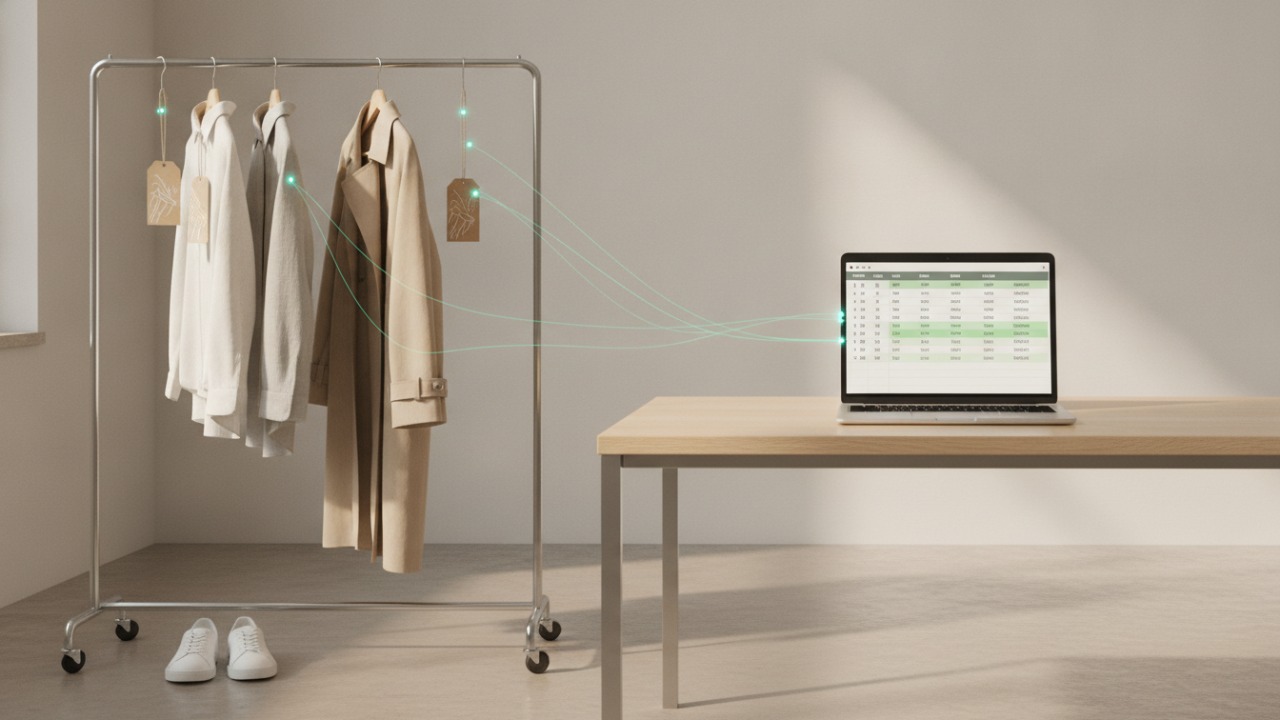
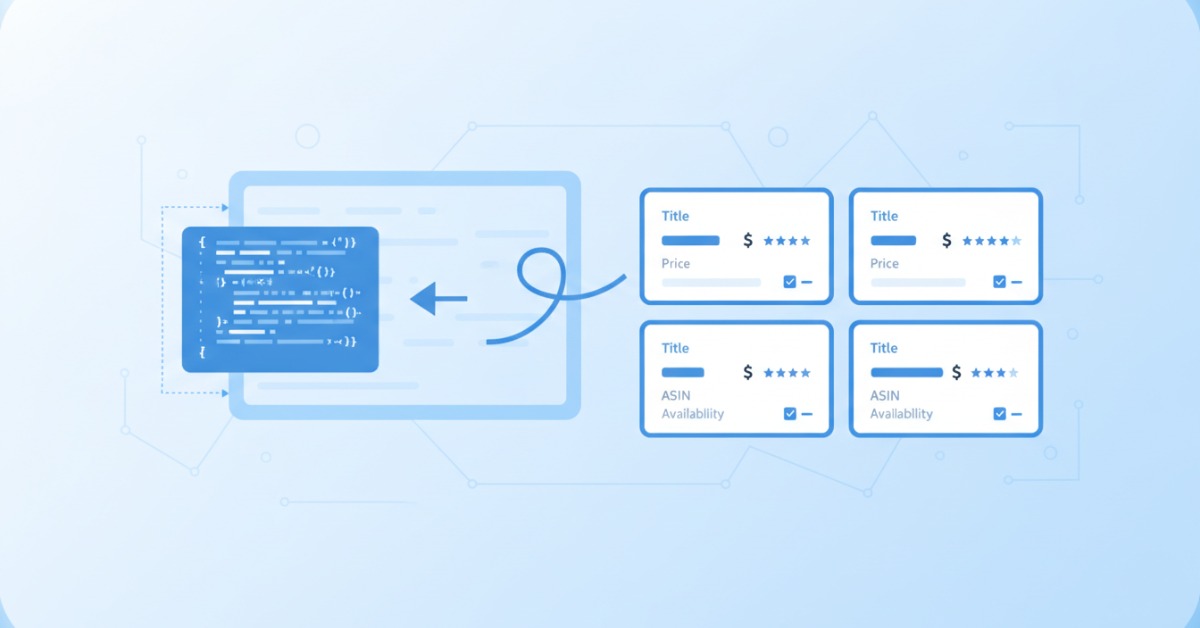
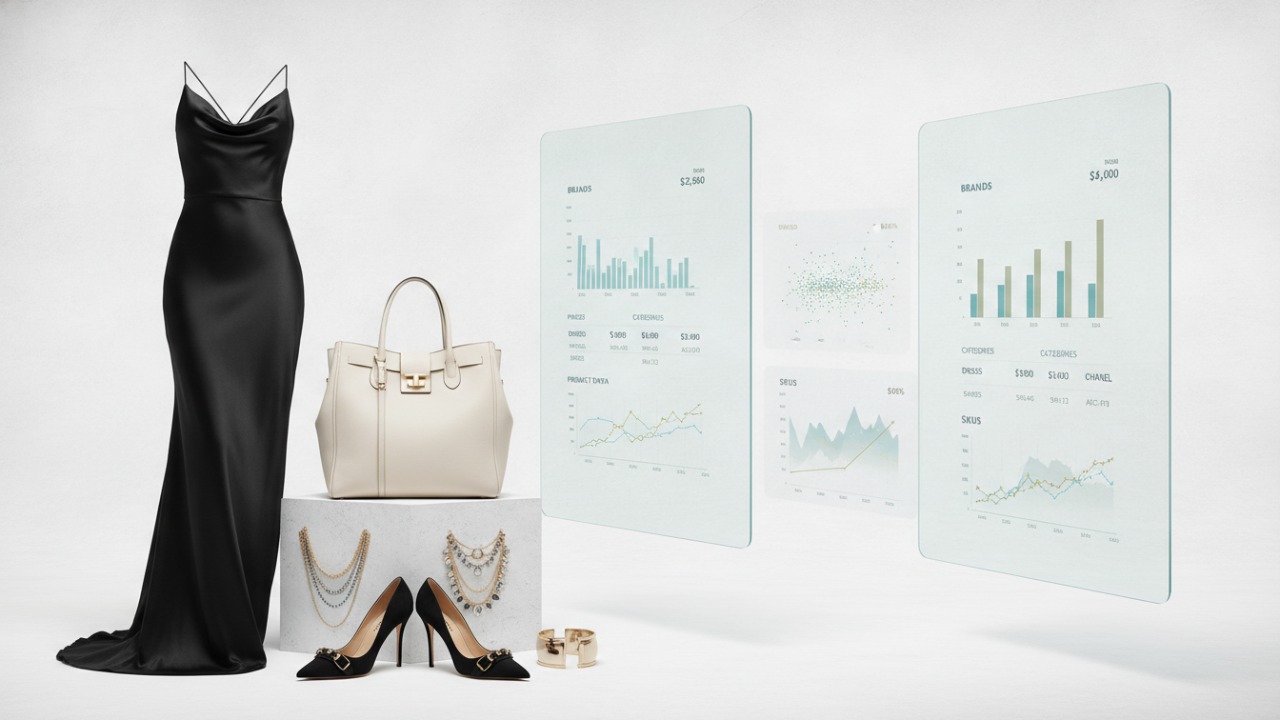
Retail datasets provide structured information about products, prices, availability, reviews, categories, and consumer activity. Businesses use them to monitor competitors, analyze pricing, research markets, identify product opportunities, and understand changing demand. The best retail datasets combine broad coverage, useful fields, reliable freshness, and consistent formatting.
What Is a Retail Dataset?
A retail dataset is a structured collection of information about products, retailers, customers, transactions, or market activity. Depending on the source, it can include product names, SKUs, brands, categories, prices, ratings, reviews, inventory status, and timestamps.
For example, a product dataset can help identify which brands dominate a category, while pricing data can reveal how competitors position similar products.
Common retail data includes:
- Product catalogs and specifications
- Product pricing and discounts
- Inventory and availability
- Customer reviews and ratings
- Consumer behavior
- Competitor product information
- Category and market trends
Why Do Retail Datasets Matter for Market Research?
Traditional market research can provide valuable insights, but retail datasets offer granular information from actual product listings and retail activity.
Businesses can use retail data to:
- Discover new products and categories
- Compare competitor prices
- Analyze product assortment
- Identify demand patterns
- Track availability and stock changes
- Study customer preferences
- Detect market gaps
- Support demand forecasting
Commercial datasets are particularly useful when businesses need current information rather than historical benchmark data.
What Are the Best Types of Retail Datasets?
The right dataset depends on the business question. The most useful categories include:
1. Retail Product Datasets
Product datasets contain catalog-level information such as titles, brands, SKUs, descriptions, specifications, categories, images, and product URLs.
They are useful for product discovery, assortment analysis, catalog comparison, and competitive research.
2. Retail Pricing Datasets
Retail pricing data captures product prices, currencies, discounts, and related information. It supports competitor price monitoring, price benchmarking, and pricing strategy.
3. Inventory and Availability Datasets
These datasets track whether products are available, out of stock, or offered through particular delivery or store channels. They can support inventory analysis and availability monitoring.
4. Customer Review Datasets
Review datasets contain ratings, review text, dates, product information, and other review attributes. They help businesses identify recurring complaints, customer preferences, and product strengths.
5. Consumer Behavior Datasets
Consumer behavior datasets can reveal purchasing patterns, preferences, product interactions, and other indicators of customer demand.
6. Competitor Datasets
Competitor datasets combine product, pricing, availability, and category information from competing retailers. They are particularly valuable for competitive intelligence.
7. Market Trend Datasets
Market trend data helps identify emerging categories, popular products, pricing movements, and changes in consumer demand.
Best Retail Datasets for Competitive Analysis
For competitive analysis, prioritize datasets that contain comparable fields across multiple products or retailers.
|
Dataset type |
Key fields |
Best use case |
|
Product data |
SKU, brand, title, category |
Assortment analysis |
|
Pricing data |
Price, currency, discount |
Price benchmarking |
|
Inventory data |
Availability, stock status |
Availability monitoring |
|
Review data |
Rating, review text, date |
Customer sentiment |
|
Competitor data |
Products, prices, categories |
Competitive analysis |
|
Market data |
Category, demand, trends |
Market research |
Data freshness is critical. Current commercial sources are generally more useful for ongoing price or stock monitoring than static public datasets. Current industry comparisons also distinguish regularly updated commercial datasets from free datasets that may be historical or less suitable for real-time decisions.
10 Examples of Retail Datasets
Businesses can evaluate retail datasets based on the retailer, category, geographic market, fields, and record volume.
Examples available through CrawlFeeds include:
- Walmart product datasets for product, price, availability, ratings, and specifications.
- Target product datasets containing product, pricing, category, availability, and specification fields.
- IKEA product datasets for furniture and home-product research.
- ZARA product datasets for fashion catalog and pricing analysis.
- JCPenney product datasets for fashion retail research.
- Farfetch listings for fashion and luxury product analysis.
- Meijer grocery datasets for grocery and essentials research.
- Home Depot product datasets for home improvement analysis.
- Etsy retail datasets for marketplace and product research.
- Tesco datasets for grocery-related analysis.
Crawl Feeds currently lists retail datasets spanning fashion, grocery, ecommerce, furniture, and other categories. Its catalog includes examples such as Walmart, Target, IKEA, ZARA, Meijer, Farfetch, Home Depot, Etsy, and Tesco.
For example, its Target dataset contains 1.3 million product records with fields including price, availability, brand, categories, specifications, images, and collection timestamps.
How to Choose the Right Retail Dataset
Before purchasing or using retail data, evaluate:
- Coverage: Does it include the retailers, categories, and markets you need?
- Freshness: How frequently is the data updated?
- Record volume: Is the dataset large enough for your analysis?
- Fields: Does it contain prices, SKUs, availability, reviews, or other required attributes?
- Geography: Does it cover your target country or region?
- Historical depth: Can you analyze changes over time?
- Format: Is it available in CSV, JSON, XLSX, Parquet, or API format?
- Licensing: Can you legally use the data for your intended purpose?
Always request a sample before committing to a large dataset. Crawl Feeds, for example, provides sample records so buyers can evaluate structure and data quality before purchasing.
Retail Datasets vs. Public Datasets vs. Custom Data
Public datasets such as UCI Online Retail, Instacart, Amazon Reviews, and the M5/Walmart dataset are useful for learning, benchmarking, and historical analysis.
Commercial retail datasets are better suited to businesses that need structured product information from specific retailers or markets.
Custom data collection is useful when an existing dataset does not provide the required fields, geography, category, volume, or update schedule.
The choice is simple:
- Public datasets: Best for research, education, and historical analysis.
- Commercial datasets: Best for current business intelligence and competitive analysis.
- Custom datasets: Best for specialized requirements.
How Businesses Use Retail Datasets
Retail datasets support a wide range of business applications, including:
- Competitive price monitoring
- Market sizing and research
- Product assortment analysis
- Product discovery
- Demand forecasting
- Market gap identification
- Recommendation systems
- Inventory and availability analysis
CrawlFeeds' retail data solutions specifically cover product pricing, inventory, customer behavior, and market trends, with delivery options including CSV, JSON, and Excel.
Where to Get Retail Datasets
The best source depends on your requirements. Public repositories are useful for historical and academic analysis, while commercial providers are more appropriate when you need structured, retailer-specific information.
Crawl Feeds provides ready-to-use retail datasets sourced from hundreds of websites, alongside custom data collection options. Its catalog includes datasets across ecommerce, fashion, furniture, beauty, electronics, groceries, and other categories.
If your project requires specific retailers, fields, countries, categories, or recurring updates, a custom retail dataset can be more practical than adapting a generic public dataset.
Frequently Asked Questions
Looking for a dataset?
Browse hundreds of pre-built datasets from CrawlFeeds — ecommerce, reviews, fashion, news, and more. Free samples on every dataset.
Browse datasets Custom data request