If you've ever tried scraping product data from Amazon, Walmart, or Flipkart yourself, you already know the problem. Sites change their HTML structure constantly. IP blocks happen within hours. And by the time you've fixed your scraper, the data is already stale.
This is why more teams are switching to pre-built e-commerce datasets instead of building scrapers from scratch.
What Is an E-Commerce Product Data Feed?
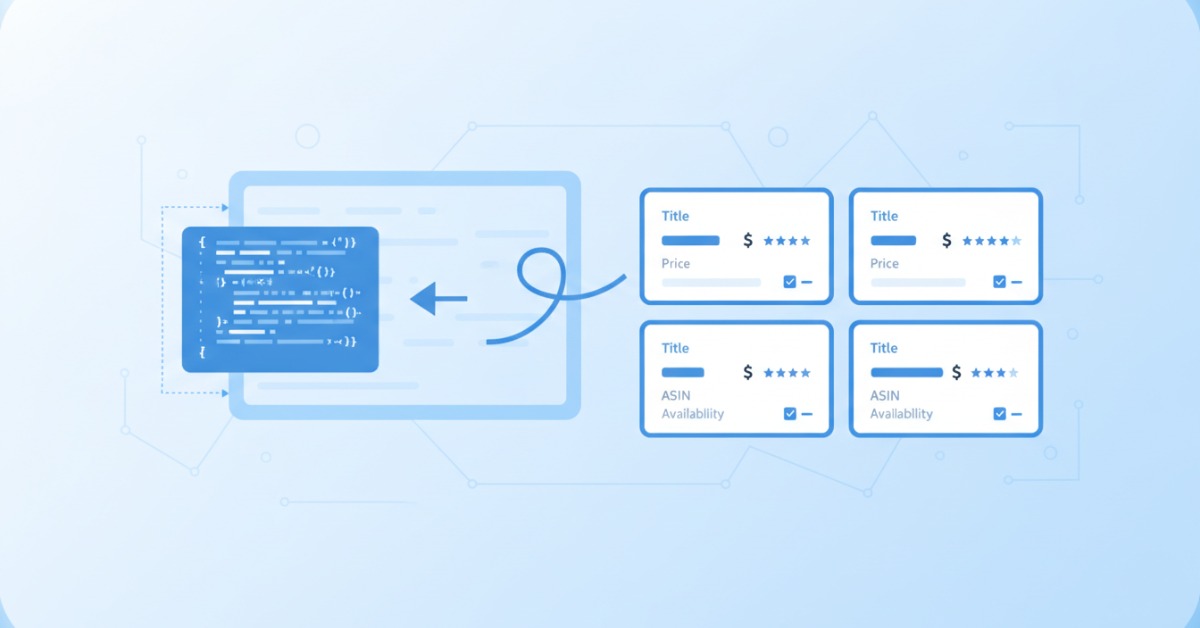
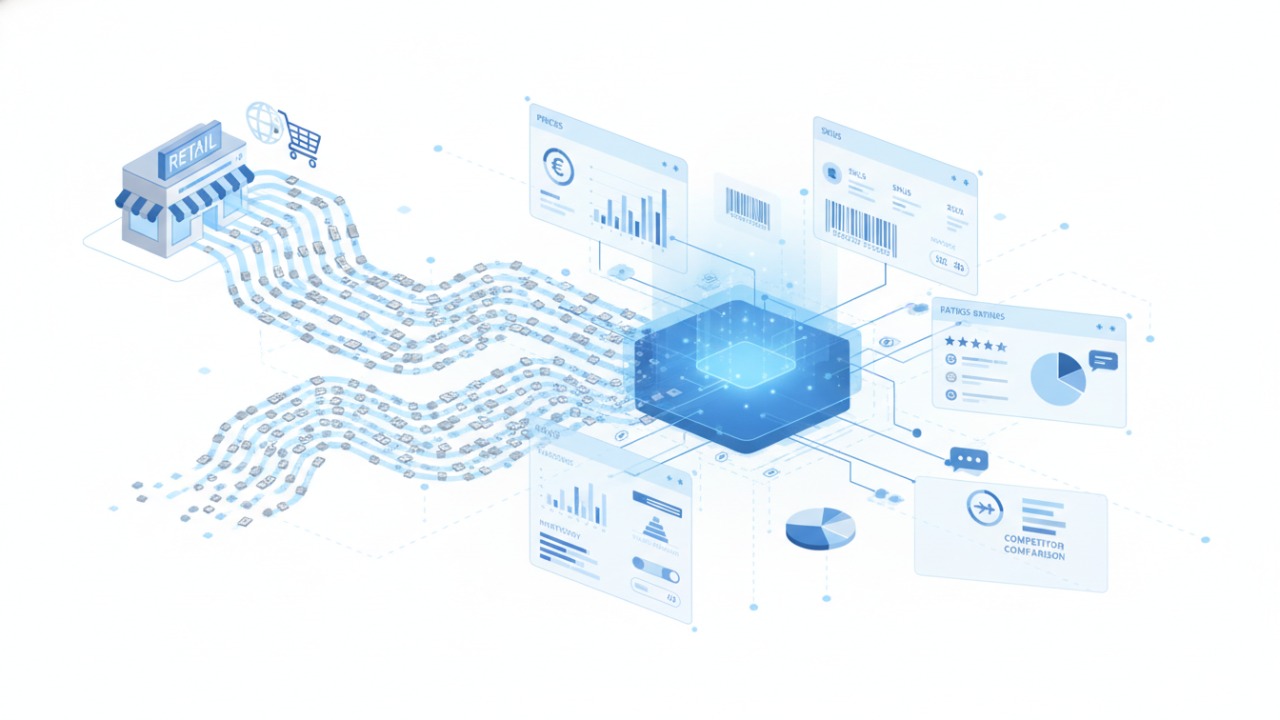
An e-commerce product data feed is a structured dataset containing details like product titles, prices, descriptions, images, ratings, reviews, and availability, pulled from major online retailers. Instead of writing and maintaining scraping infrastructure, you get this data delivered in formats like CSV, JSON, or via API.
For businesses doing price monitoring, competitor analysis, or building AI-powered shopping tools, this data is the raw material everything else depends on.
Why Teams Are Moving Away From DIY Scraping
Building your own scraper sounds cheaper at first. Here's what actually happens over time.
Maintenance becomes a full-time job. Amazon alone changes its page layout multiple times a year. Every change breaks your parser.
Proxy and IP costs add up fast. To scrape at scale without getting blocked, you need rotating proxies, CAPTCHA solving, and headless browsers. These costs compound quickly.
Data quality suffers. A scraper that's 80% working still gives you broken records, missing fields, and duplicate entries. Cleaning this data takes more time than building the scraper did.
Legal and compliance risk. Scraping at scale without proper handling of robots.txt, rate limits, and terms of service can create legal exposure for your business.
A ready-made dataset removes all four of these problems in one move.
What to Look For in a Product Data Provider
Not all dataset providers are equal. Here's what actually matters.
Coverage and freshness. Does the provider cover the marketplaces you care about, and how often is the data refreshed? Daily updates matter for price tracking. Weekly might be fine for catalog research.
Field completeness. Check for SKU, price, MRP, discount percentage, brand, category, ratings, review count, image URLs, and stock status. Missing fields mean extra cleanup work on your end.
Format flexibility. CSV works for spreadsheet analysis. JSON works for app integration. API access works for real-time pipelines. Good providers offer all three.
Sample access before you commit. Any provider worth using should let you download a sample dataset and check the structure, field names, and data quality before you pay for anything.
Common Use Cases for E-Commerce Datasets
Price intelligence tools. SaaS products that help brands track competitor pricing across marketplaces rely on continuously updated product feeds as their core data source.
Market research and trend analysis. Analysts use historical product data to spot category trends, identify which brands are gaining shelf share, and benchmark pricing strategies.
AI and ML training data. Recommendation engines, price prediction models, and product categorization algorithms all need large volumes of labeled, structured product data to train on.
Affiliate and dropshipping research. Finding winning products means analyzing thousands of listings for price gaps, review velocity, and demand signals, manually doing this doesn't scale.
How Crawl Feeds Approaches This
Crawl Feeds provides ready-to-use e-commerce datasets covering major marketplaces, refreshed regularly and delivered in CSV, JSON, or API format. Instead of spending weeks building and maintaining scrapers, you get structured data with the fields that matter for pricing, catalog, and trend analysis already in place.
If you're evaluating whether a pre-built dataset fits your project, the easiest way to find out is to look at a real sample and talk through your specific use case, whether that's price tracking, training a model, or building a research dashboard.
Talk to the Crawl Feeds team about your data needs and get a sample dataset matched to your project.
Frequently Asked Questions
How often is e-commerce product data updated? This depends on the provider and dataset. Crawl Feeds offers datasets refreshed on regular schedules, daily for price-sensitive use cases, and less frequently for catalog-level research.
What formats do e-commerce datasets come in? Most providers, including Crawl Feeds, offer CSV for spreadsheet use, JSON for app integration, and API access for real-time data pipelines.
Is it legal to use scraped e-commerce data? Using a third-party provider that has already handled compliance, rate limiting, and data collection responsibly removes most of the legal complexity that comes with running your own scraper.
Can I get a sample before purchasing a full dataset? Yes. Reputable providers let you review a sample dataset to check field structure and data quality before committing to a purchase.
Looking for a dataset?
Browse hundreds of pre-built datasets from CrawlFeeds — ecommerce, reviews, fashion, news, and more. Free samples on every dataset.
Browse datasets Custom data request